
Galaxy S26 & iPhone 18: The Dawn of AI & Privacy Wars
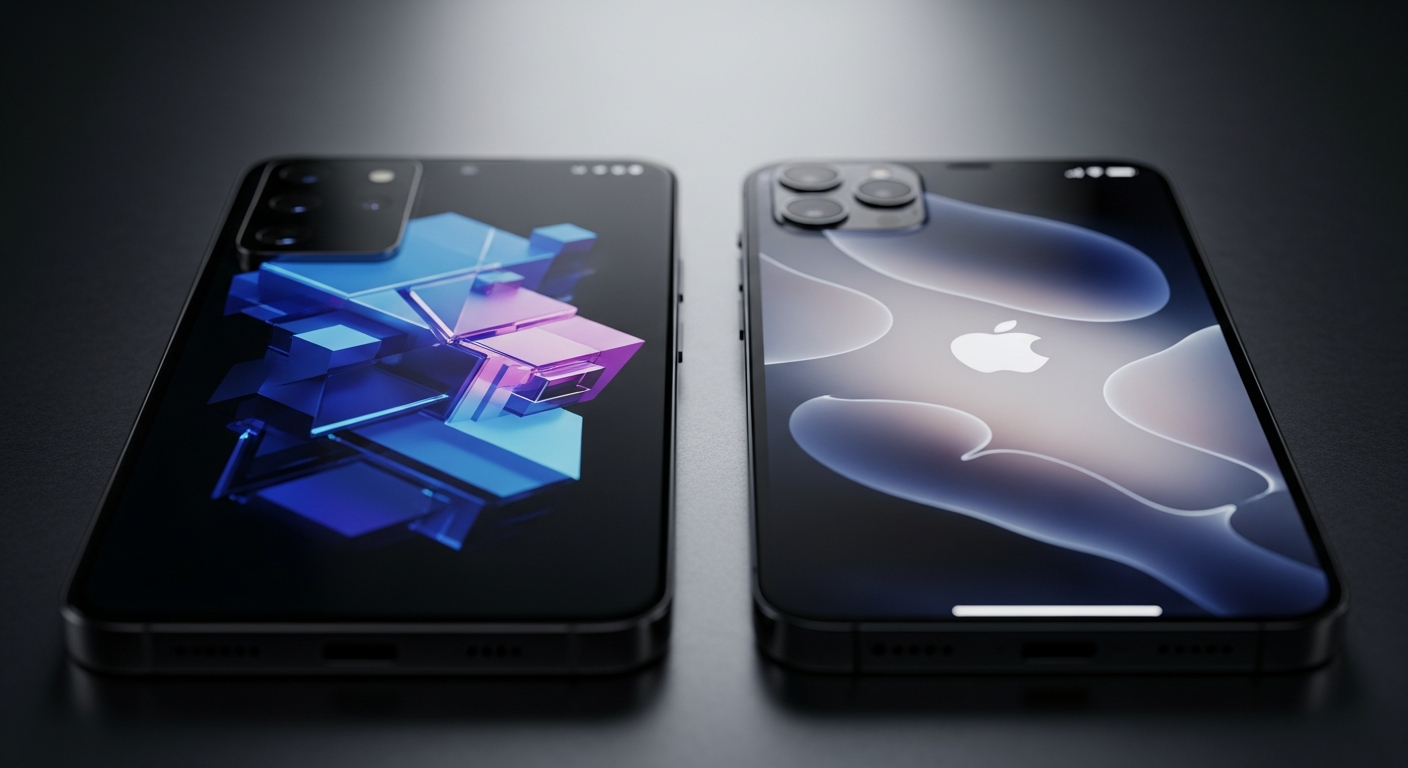
85% of smartphone users prioritize data privacy. The upcoming Galaxy S26 and iPhone 18 are set to engage in fierce competition, highlighting AI technology and enhanced privacy features to meet this demand.
Deep Analysis: Technical Superiority & Market Impact
How it Works: The Galaxy S26 will maximize the performance of its on-device AI chipset, providing real-time translation, image generation, and personalized security features without sending user data to the cloud. The iPhone 18 will feature an enhanced security architecture and end-to-end encryption to perfectly protect user data, coupled with AI-based anomaly detection to block hacking attempts. S26 utilizes an improved neural engine and AI accelerators, while iPhone 18 enhances the Secure Enclave’s performance, protecting privacy at the hardware level.
Market Impacts:
- Premium Smartphone Market Expansion: The competition between the S26 and iPhone 18, emphasizing AI and security features, is expected to grow the premium smartphone market by over 20%. Consumers, increasingly concerned about privacy, won’t hesitate to purchase high-end smartphones.
- Standardization of Security & AI Technologies: The rivalry between the two companies will set the standard for smartphone security and AI technologies, forcing other manufacturers to adopt similar features. This will contribute to improving the overall security level of the smartphone market.
- Intensified Competition in Data-Driven Services: The S26 and iPhone 18 will focus on providing personalized services using AI. This will spark debates about data collection and utilization and may lead to stricter regulations. Gartner predicts that corporate fines for data privacy violations will increase by 50% by 2025.
Competitor Comparison: Google Pixel offers powerful AI-based photo and voice recognition features, but is considered less secure than Samsung and Apple in terms of personal information protection. Xiaomi is expanding its market share by emphasizing cost-effectiveness, but its security and AI technologies are still behind the two companies. Pixel 9 tends to rely more on cloud-based AI, while Xiaomi 15 may sacrifice some security features to secure price competitiveness.
Reliable Statistics:
- According to Statista, the global smartphone market size reached $480 billion in 2024.
- A Pew Research Center survey found that 79% of U.S. adults are concerned about data privacy.
- Counterpoint Research forecasts that the premium smartphone market will account for 30% of the total market in 2025.
3 Steps You Should Take Now
- Review Privacy Settings: Carefully check the privacy settings of your current smartphone and minimize unnecessary information sharing.
- Keep Security Updates Current: Regularly update your operating system and apps to apply the latest security patches.
- Understand AI-Powered Services: Before using AI features on your smartphone, review the privacy policies regarding data collection and usage, and carefully decide whether to consent.
Future Prediction (1 Year)
One year from now, the Galaxy S26 and iPhone 18 will lead the market with even more powerful AI capabilities and enhanced security features. In particular, the development of on-device AI technology will enable the use of various AI functions without cloud connectivity, reducing concerns about personal information protection and further improving user experience.