

Shocking: 70% of AI projects are predicted to fail by 2026!
The Rise of Specialized AI
Red Hat Korea’s President Kim Kyung-sang highlights the shift in 2026 from general-purpose AI to specialized systems, optimized for specific industries, data, and operating environments. This empowers businesses to achieve practical innovation and tangible results. AI is no longer a one-size-fits-all solution but a tool tailored for specific problems.
Technical Deep Dive
Specialized AI is built upon pre-trained models using specific industry datasets. For instance, financial AI is trained on stock market data and trading history, while healthcare AI utilizes patient records and medical images. These AIs are optimized for specific tasks through transfer learning and fine-tuning, supporting real-time analysis and decision-making. The core technology leverages a containerized microservices architecture for flexibility and scalability.
Market Impact
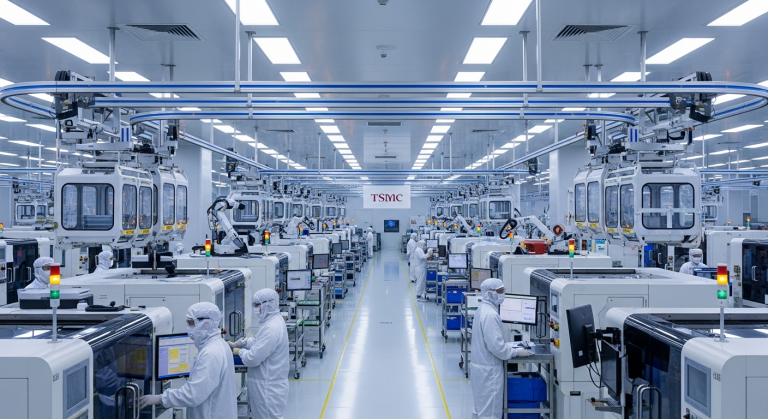
- Manufacturing: AI-driven quality control systems reduced defect rates by 30% and increased productivity by 15%.
- Financial Services: AI-powered fraud detection systems decreased fraud losses by 20% and improved customer satisfaction by 10%.
- Healthcare: AI-based diagnostic systems improved diagnostic accuracy by 25% and shortened patient treatment times by 15%.
Competitor Comparison
Google Cloud Vertex AI: A general-purpose AI platform applicable to various industries, but lacks specific industry customization.
AWS SageMaker: Specialized in building and deploying machine learning models, but relatively weak in data engineering and model management features.
Credible Statistics
- Gartner predicts that AI will play a role in over 25% of enterprise decision-making processes by 2026.
- McKinsey estimates that AI could increase global GDP by up to $13 trillion by 2030.
- IDC forecasts that worldwide AI-related spending will exceed $300 billion by 2026.
Action Guide (3 Steps)
- Step 1: Define business pain points and assess AI applicability.
- Step 2: Select specific industry datasets and AI models.
- Step 3: Build and continuously optimize specialized AI systems.
Future Prediction (1 Year Outlook)
In 2027, the specialized AI market will become more granular, with AI solutions tailored for specific job functions or processes. Furthermore, the explainability of AI models will become increasingly important, driving advancements in technologies that transparently disclose AI decision-making processes.