
Fed’s July Hold Signals Rate Hike Risk Amid 3.5% Inflation
While the consensus on Wall Street points to a steady hand from the Federal Reserve at its July 28-29 policy meeting, a quiet but significant undercurrent of doubt is building. A FactSet poll of economists shows overwhelming conviction that the Federal Open Market Committee (FOMC) will maintain the federal funds rate at its 3.5% to 3.75% target for the fifth consecutive meeting. Yet, the market tells a different story. Traders are pricing in a 35-38% probability of a rate hike, a sharp increase fueled by resurgent energy prices and stubborn inflation.
On the surface, recent inflation figures offer some breathing room for policymakers. June 2026’s Consumer Price Index (CPI) cooled to 3.5% year-over-year from May’s 4.2%, a dip largely thanks to cheaper gasoline. Core CPI, which strips out volatile food and energy components, also softened to 2.6% from 2.9%. But this relief is deceptive. Annual inflation remains stubbornly above the Fed’s 2% long-term target, a point new Fed Chair Kevin Warsh, in office since May 22, 2026, refuses to let the market forget. His new communication playbook—less forward guidance, more data-driven reaction—is a clear signal of his unwavering focus on restoring price stability.
Fed’s Inflation Battle and Market Implications
Digging deeper into the inflation numbers reveals a precarious situation. The respite from June’s CPI data looks fleeting as energy prices roar back, with oil now trading above $100 a barrel. This sharp rebound threatens to not only reignite headline inflation but also suggests the upcoming July figures could come in hotter than expected. This is precisely why Fed officials like Governor Christopher Waller are publicly cautioning against premature celebration, stressing that they need to see a consistent trend of cooler data—particularly in core metrics—before even considering their inflation battle won.
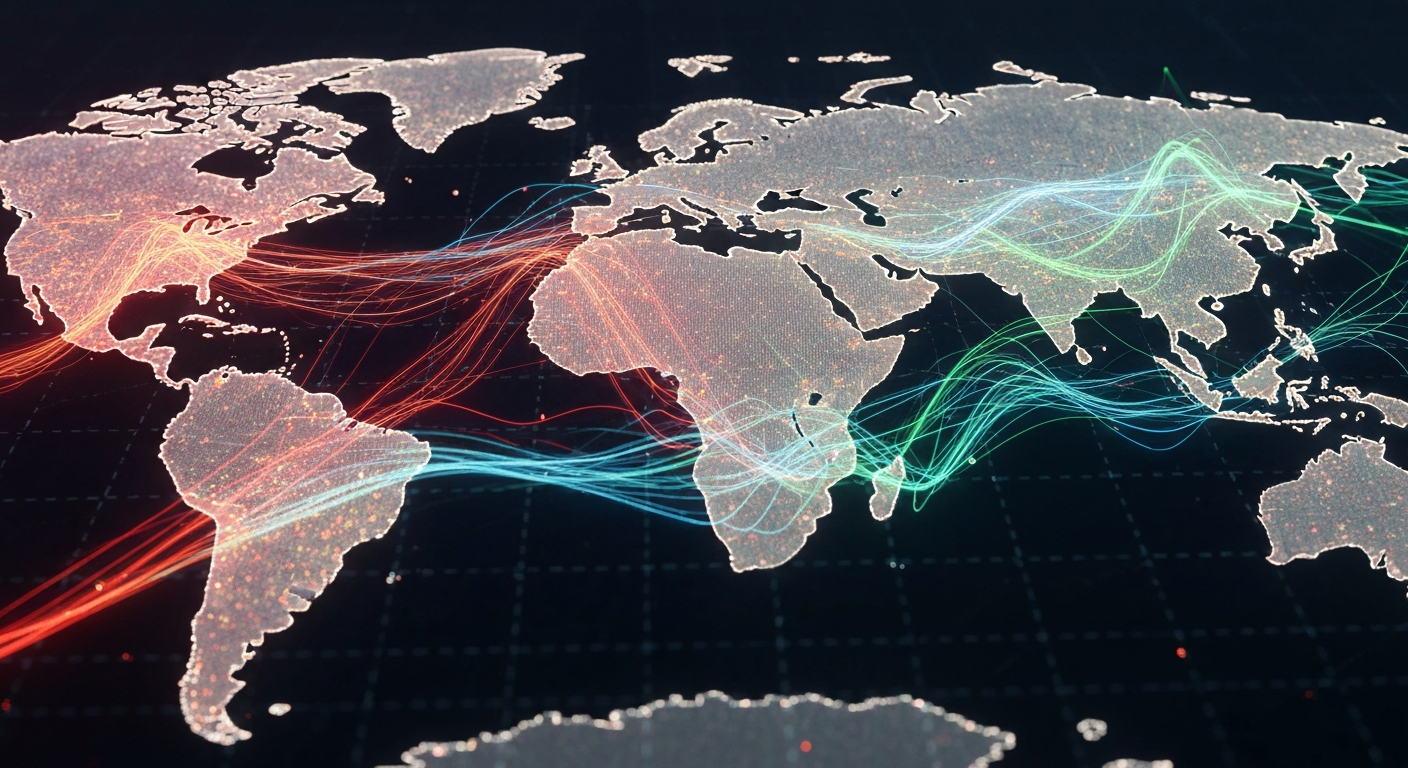
Beyond domestic data, the Fed’s calculus is increasingly clouded by geopolitics. The persistent conflict in the Middle East, the so-called “Iran war,” is a primary driver of volatility, pushing up energy prices and straining global supply chains. This external shock makes inflation forecasting a nightmare for the central bank. The IMF’s July 2026 World Economic Outlook Update captured this dichotomy perfectly, highlighting how the war is hammering energy-importing nations while AI-driven demand props up others. Navigating these global crosscurrents makes the Fed’s dual mandate of price stability and maximum employment an exceptionally difficult tightrope to walk.
Adding to the uncertainty is Chair Warsh’s deliberate pivot in communication. By scrapping explicit forward guidance, he is forcing markets to do their own homework. His initial congressional testimonies were exercises in disciplined messaging: a rock-solid commitment to price stability, with zero hints about the next move. This forces investors to read the tea leaves in every new data point and every subtle change in tone from officials. The internal division is palpable; the June FOMC “dot plot” already showed a committee split on the need for more rate hikes this year, a clear reflection of the profound uncertainty they face.
Navigating Future Monetary Policy
The market is already bracing for impact. A growing probability of at least one more rate hike this year—with some models flagging the risk of two or even three additional increases—is tightening financial conditions before the Fed even acts. We see this reflected in rising real yields, a strengthening dollar, and a flattening Treasury curve. For investors, the watchlist is clear: core inflation trends, the trajectory of energy prices, and any new developments from the Middle East are now paramount.
Every word of the Fed’s upcoming July statement will be scrutinized for clues about Chair Warsh’s resolve in the face of these external shocks. While a “hold” is the base case, any surprise move would undoubtedly unleash significant market volatility. In this environment, trying to perfectly time the Fed’s next decision is a fool’s errand; diversification remains the most sensible approach. One thing is certain: the Fed’s data-dependent mantra means every economic report from here on out is a high-stakes event for the market.
References & Sources
