
EU Eyes Extreme Measures: Fuel Rationing on the Table Amid Prolonged Energy Crisis
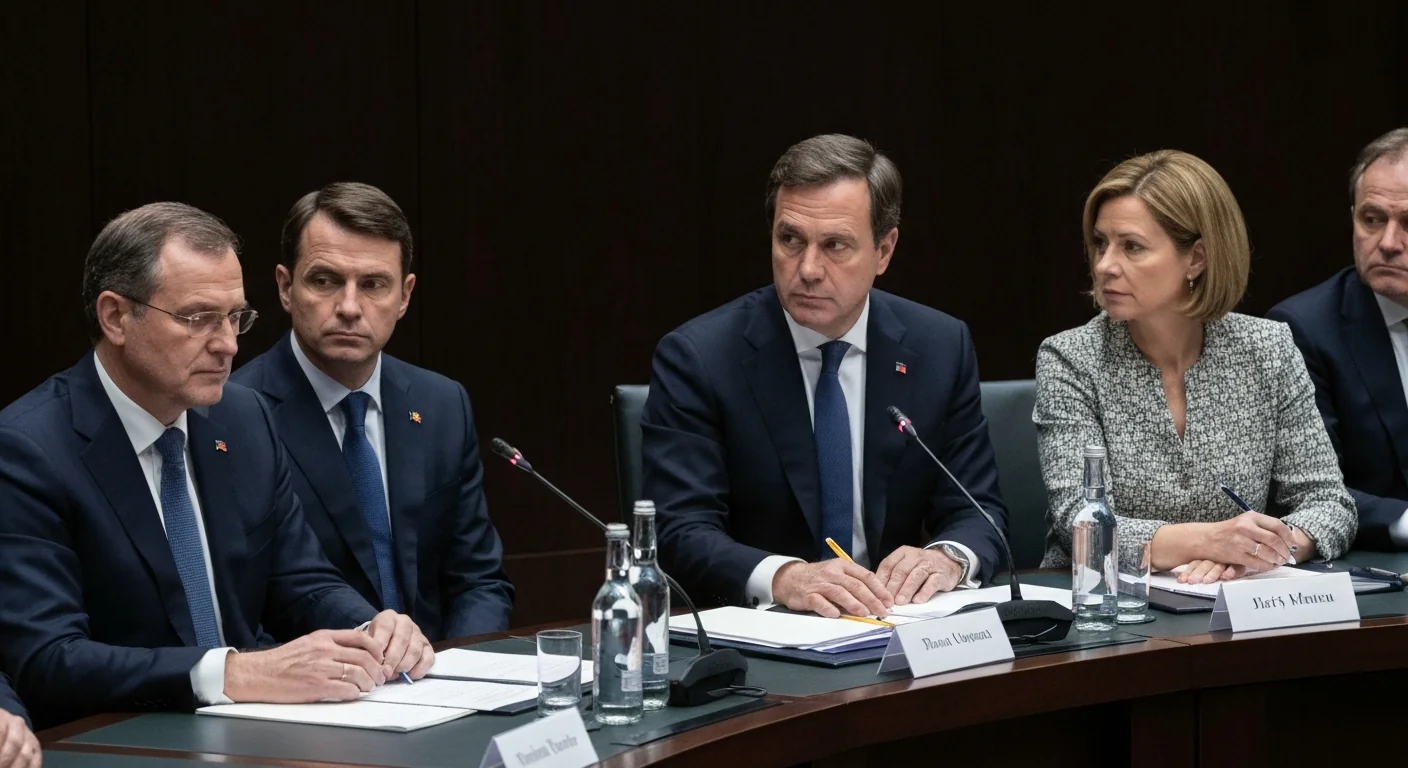
Global oil markets entered the second quarter of 2026 at a critical inflection point, with Brent and West Texas Intermediate (WTI) crude prices hovering near the $100 range, reflecting intense supply disruption fears and escalating geopolitical risk premiums. This surge follows the 2026 Iran war, which in early March saw the Strait of Hormuz, a vital artery for approximately 20% of global oil flows, effectively blockaded. The European Union is now actively preparing for a “long-lasting” energy shock, with European Commissioner for Energy Dan Jorgensen explicitly stating that “all possibilities” are under consideration, including fuel rationing.
The Middle East conflict has fundamentally reshaped Europe’s energy security landscape. While initial concerns following the 2022 energy crisis focused heavily on natural gas diversification, the current conflict has shifted the spotlight squarely onto refined petroleum products, particularly jet fuel and diesel. Commissioner Jorgensen warns that the situation for these critical products is expected to worsen in the coming weeks, necessitating urgent and coordinated action across the bloc.
The closure of the Strait of Hormuz, a consequence of the US-Israeli strikes on Iran and Tehran’s retaliatory actions, has paralyzed commercial maritime traffic, leading to acute supply shortages and a doubling of oil prices from early 2026 levels. More than two dozen commercial vessels have been hit, prompting many to avoid the crucial waterway. This disruption has been characterized by the International Energy Agency (IEA) as potentially the largest supply disruption in the history of the global oil market. While the IEA’s February 2026 report initially projected a supply surplus for the year, the March report dramatically revised this, forecasting a global oil supply plunge of 8 million barrels per day (mb/d) in March due to Middle East curtailments.
Brussels is not merely observing; it is actively outlining a comprehensive, albeit severe, contingency plan. The European Commission has urged member states to make ” timely preparations” for a potentially prolonged disruption. Measures under review extend beyond the release of emergency oil reserves, which the EU has already contributed to in coordination with the IEA. Policymakers are now encouraging voluntary fuel-saving initiatives, such as promoting remote work and public transport, and even considering legislative tools if the crisis intensifies.
Furthermore, the Commission has advised deferring non-emergency refinery maintenance to maximize output and increasing the uptake of biofuels to reduce reliance on fossil petroleum products. The objective is clear: avoid fragmented national responses that could exacerbate market instability and ensure a coherent EU-wide approach to safeguard the internal market. The EU’s broader energy security strategy, emphasizing strategic autonomy and a shift towards homegrown renewables, gains renewed urgency in this volatile environment.
Investors and businesses must recognize the fundamental shift occurring in global energy markets. The era of predictable supply chains and stable pricing is over, at least for the foreseeable future. The potential for fuel rationing, while currently a contingency, underscores the severity of the situation and the lengths to which European governments may go to secure energy supplies. Companies reliant on stable fuel prices or uninterrupted logistics should stress-test their supply chains against prolonged disruptions and higher operational costs. Investing in energy efficiency, localized energy production, and alternative fuel technologies is no longer merely a sustainability play but a critical component of risk mitigation and competitive advantage. The immediate future demands vigilance and strategic adaptation to a significantly more volatile energy landscape.
References & Sources