
Final Gateway Opens for Global Capital Inflow
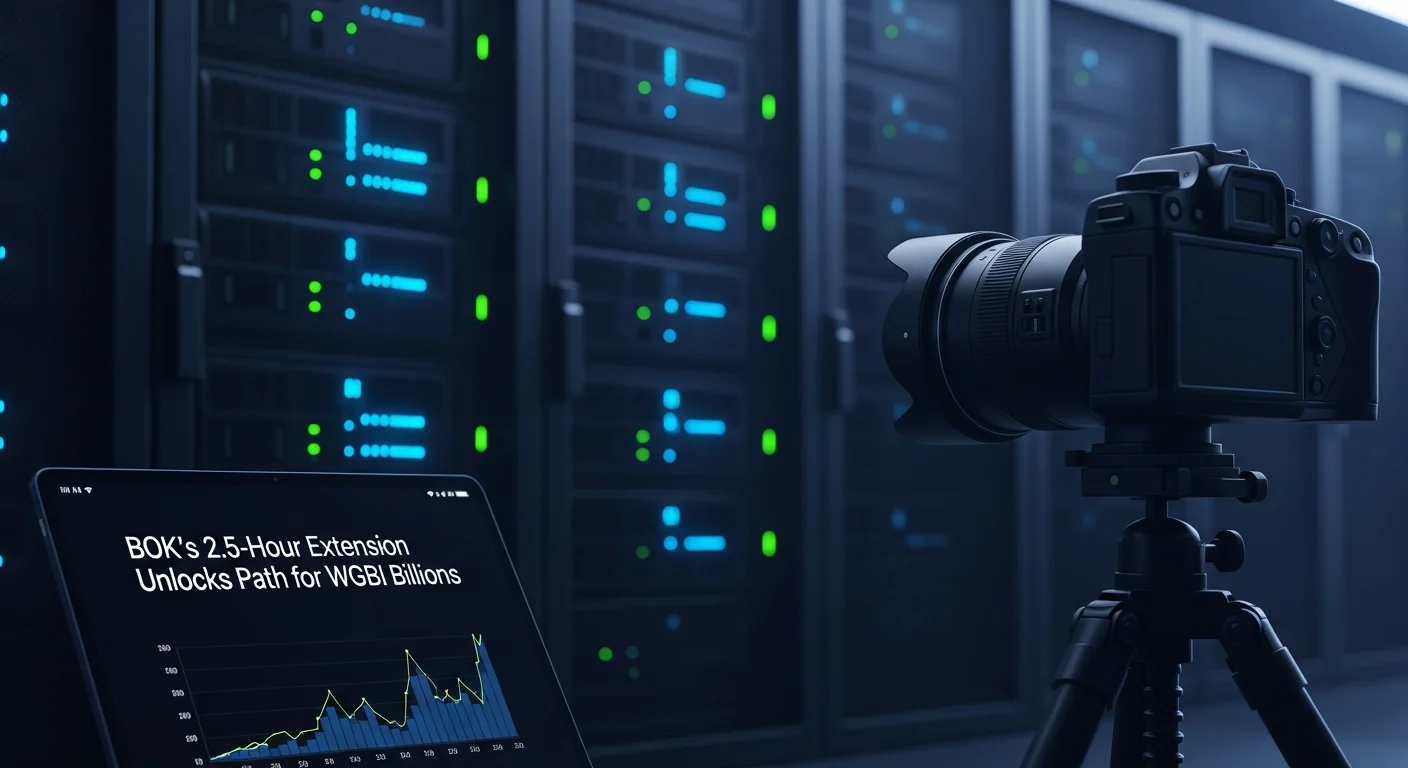
The final hurdle for a potential 90 trillion won wave of foreign capital has been cleared. By extending its financial network operating hours by two and a half hours to 8:00 p.m. KST, effective March 30, the Bank of Korea has delivered the crucial final piece for South Korea’s inclusion into the World Government Bond Index (WGBI). This isn’t just a minor operational tweak; it’s the move that unlocks the full potential of the country’s WGBI entry, which formally begins April 1.
Technical Bottleneck Removed, Market Efficiency Gained
Foreign investors in the Korean bond market have long been hobbled by a frustrating time mismatch. Their reliance on the Continuous Linked Settlement (CLS) system for foreign exchange—which finalizes won transactions mainly between 3:00 p.m. and 6:00 p.m. KST—ran headlong into the BOK network’s old 5:30 p.m. cutoff. This fundamental friction made same-day settlement impossible, forcing investors into costly workarounds like overnight won holdings or short-term loans. The new 8:00 p.m. deadline decisively eliminates this bottleneck. European and American investors can now secure won during their own business hours and settle Korean bond purchases on the same day, a dramatic improvement that slashes transaction costs and significantly boosts the market’s appeal.
Catalyst for the WGBI Capital Wave
This infrastructure upgrade is timed perfectly to capitalize on Korea’s WGBI inclusion. Tracked by an immense $2.5 trillion in assets, the index will begin phasing in South Korea over the next eight months. With a final weighting projected between 2.08% and 2.22%—ranking ninth in the index—the market is now positioned for passive inflows estimated between 50 and 90 trillion won (roughly $37 billion to $42 billion). A capital wave of this size could readily absorb a large portion of new government bond issuance for the year. The resulting demand pressure is expected to drive down interest rates by an estimated 0.2 to 0.3 percentage points while also stabilizing the won through increased dollar supply. This is a key component of the government’s broader strategy to liberalize the FX market and secure MSCI Developed Market status, ultimately elevating Korea’s global financial standing.
The Real Test: Tracking the Inflow
With the structural barriers down, all eyes now turn to the money. The key metric over the next eight months will be the actual pace and scale of capital inflows. While the gradual phase-in suggests a long-term stabilizing effect rather than a sudden market shock, the final investment volume is not set in stone. Global interest rate shifts or geopolitical risks could still temper the appeal of Korean bonds, despite the enhanced market access. Nevertheless, Seoul’s message is unequivocal: Korea’s financial infrastructure is now aligned with global standards. The true impact will become clear by tracking foreign net purchases of Korean Treasury Bonds over the next two quarters, which will reveal the tangible effects on yields and the USD/KRW exchange rate.
References & Sources
참고문헌
참고문헌
