
Faced with a cooling electric vehicle (EV) market, Korea’s battery giants are aggressively pivoting to new frontiers: energy storage systems (ESS) and robotics. This strategic redirection reflects mounting pressure to diversify revenue streams as EV battery demand growth moderates. The shift was on full display at InterBattery 2026 in Seoul this March, where LG Energy Solution, Samsung SDI, and SK On showcased technology portfolios extending well beyond EVs into AI data centers, robots, and drones.
Each of the “K-battery” trio is carving out a unique niche in these emerging markets. LG Energy Solution is targeting the humanoid robot market with sulfide-based solid-state batteries slated for 2030 and, in a significant domestic move, introduced LFP (lithium iron phosphate) ESS batteries emphasizing their lower fire risk and superior cost efficiency. Samsung SDI, meanwhile, is betting on AI applications, displaying pouch-type solid-state battery prototypes aimed for mass production in the second half of 2027, alongside ultra-high-output cylindrical batteries engineered for power-hungry AI infrastructure. Not to be outdone, SK On presented pouch-type ESS batteries boasting 14-19% better energy density than LFP alternatives and signaled its entry into robotics by exploring supply arrangements with Hyundai Wia’s logistics robots.
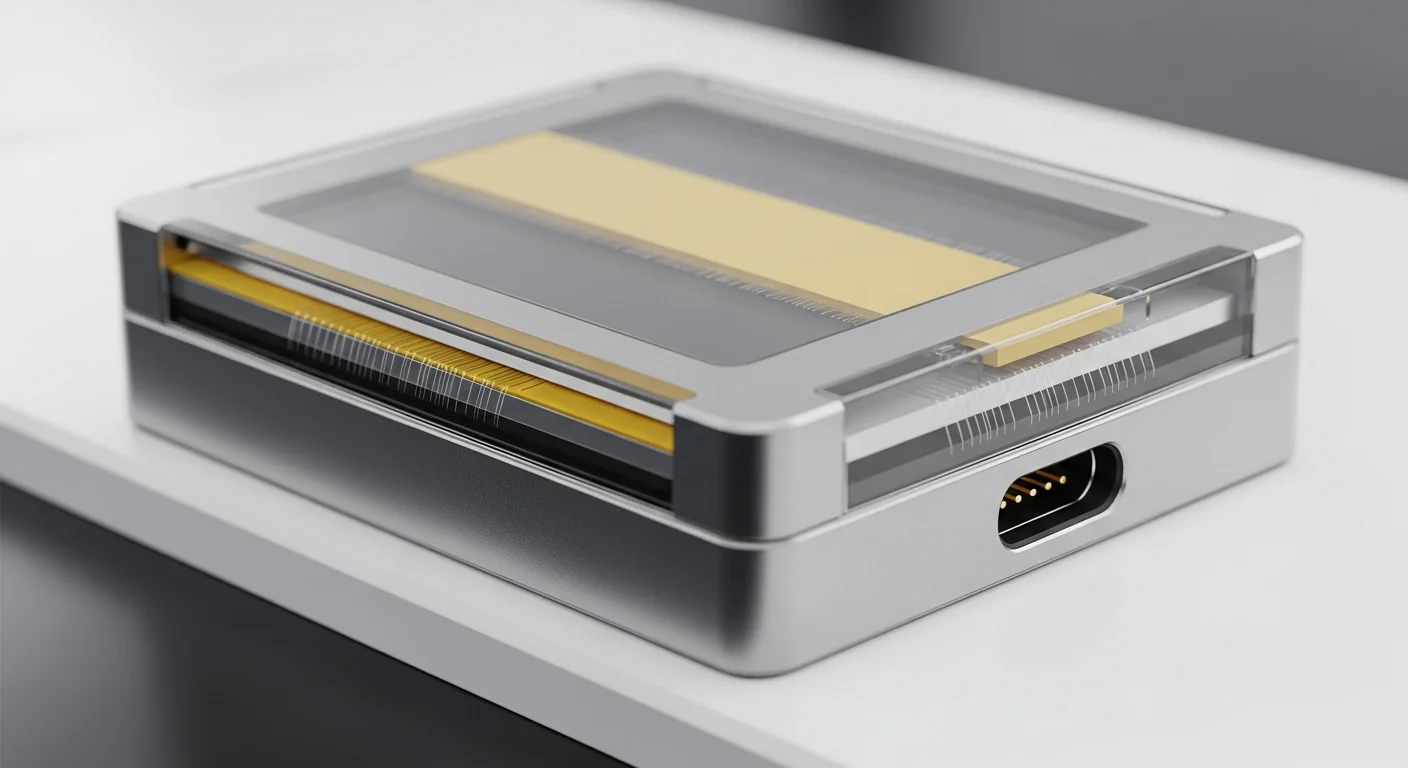
Underpinning these individual strategies is a shared, high-stakes bet on anode-less all-solid-state battery technology. This next-generation architecture promises a dual advantage of higher energy density and lower manufacturing costs—critical weapons in the escalating battle against Chinese competitors. LG Energy Solution has already filed patents combining this anode-less design with solid electrolytes, a technological race where players like QuantumScape are pursuing similar ceramic separator innovations. For the Korean industry, this represents a crucial 5-7 year window to lock in technical superiority before the technology inevitably becomes commoditized.
Make no mistake, the competitive pressure is immense. China dominates the global battery supply chain, from raw materials and manufacturing equipment to finished products, all backed by aggressive pricing that Korean firms find difficult to counter. Korea’s historical focus on premium, high-cost nickel-cobalt-manganese (NCM) chemistry left it vulnerable as cheaper Chinese LFP alternatives gained significant traction in EV markets. Yet, Korea still holds the title of the world’s second-largest battery producer, and its three majors continue to command significant global market share in premium segments. The government’s planned $15 billion investment through 2030 for next-generation battery development and export support should provide critical firepower to maintain this edge.
This isn’t a defensive maneuver; it’s a fundamental restructuring of the entire business model. Future success will not be defined by defending legacy EV market share, but by converting deep technological expertise into market leadership across ESS, robotics, and AI infrastructure. In these sectors, performance and reliability still trump pure price competition. With firm government backing and clear innovation momentum, the industry appears well-positioned to sidestep the cost-competition trap that has ensnared so many other manufacturing sectors.
[References & Sources]
- asiae.co.kr
- techinasia.com
- sedaily.com
참고문헌
