
Seoul, Tokyo Launch Critical Energy Response: Oil Lending, LNG Swaps Secure Future
Amidst Middle East Instability, a New Era of Cooperation
Global energy markets face unprecedented volatility. Ongoing turmoil in the Middle East and the effective blockade of the Strait of Hormuz present significant economic concerns for energy-import-dependent nations like South Korea and Japan. Responding to this challenging landscape, South Korean President Lee Jae Myung and Japanese Prime Minister Sanae Takaichi held their third summit meeting in Andong on May 19, 2026, agreeing to establish a joint energy crisis response mechanism. This move represents a pragmatic pivot beyond historical tensions, seeking tangible solutions to shared vulnerabilities among key economic players in the region.
Strategic Insight: Collective Solutions for Shared Vulnerabilities
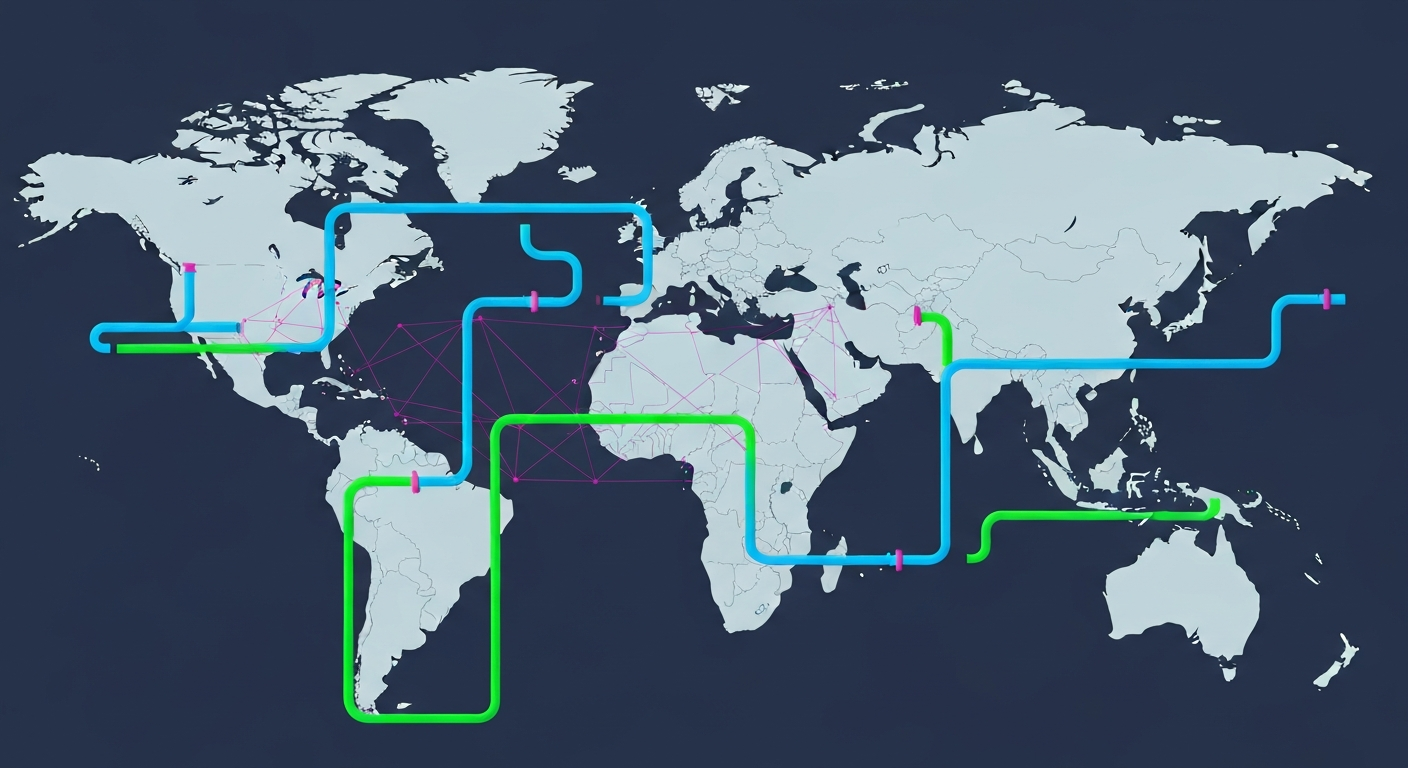
Both leaders committed to strengthening cooperation across liquefied natural gas (LNG) and crude oil supply chains. Energy security is no longer a challenge solvable by individual national efforts. As the world’s third-largest LNG importer and second-largest respectively, South Korea and Japan are acutely vulnerable to global supply chain disruptions. Acknowledging this, the two nations agreed to establish a framework for mutual lending (swaps) of crude oil and petroleum products during emergencies and to deepen cooperation, including LNG swaps. This creates a robust defense against unpredictable supply interruptions.
The agreement expands on a March memorandum of understanding (MOU) between Korea Gas Corp. (KOGAS) and Japan’s JERA on LNG supply cooperation, elevating it to a government-level initiative. This expanded cooperation will enhance information sharing on LNG transportation, terminal operations, and supply-demand trends, improving collective response capabilities, including potential cargo swaps. Furthermore, discussions on creating a joint energy stockpiling system in Southeast Asia under Japan’s ‘POWERR Asia’ initiative highlight a broader vision for regional energy security. This could foster collective resilience across Asia, moving beyond mere bilateral cooperation.
Market Implications and Evolving Competitive Landscape
This cooperation mechanism carries significant implications for the Asian energy market. South Korea and Japan will strengthen their collective bargaining power as energy buyers, potentially securing a more favorable position in a supplier-driven market. The mutual crude oil lending system allows one country to access the other’s strategic reserves during a supply crisis, mitigating immediate market shocks. This is crucial for managing short-term price volatility and ensuring long-term supply stability. Both nations also pledged cooperation to ensure safe navigation through the Strait of Hormuz, signaling a joint commitment to stabilizing critical transit routes.
Global electricity demand is projected to surge by 3.3% in 2025 and 3.7% in 2026, driven by data center expansion and electrification trends. This escalating demand underscores the critical importance of stable energy supplies. South Korea and Japan’s collaboration demonstrates their effort to bolster individual energy security within this macro trend, while simultaneously building collective resilience through regional solidarity. Such initiatives can reshape the competitive landscape of energy markets and establish new benchmarks for energy cooperation in Asia.
Investor Outlook: Opportunities in a New Energy Paradigm
Investors should closely monitor the concrete implementation of the Korea-Japan energy cooperation mechanism. The operational details of the crude oil and LNG swap systems, along with progress on the Southeast Asian joint stockpiling system, will be key. Companies involved in energy infrastructure, particularly LNG terminals and storage facilities, may see direct benefits from this new cooperative model. Furthermore, investments in energy efficiency technologies and renewable energy will gain increased importance in the long term, aligning with enhanced energy security goals. Both governments plan to launch a new high-level, regular ‘Industry and Trade Policy Dialogue’ to discuss detailed implementation measures. The progress of this dialogue will be a crucial indicator for future investment opportunities. Regional stability and strengthened supply chain resilience will ultimately reduce operational risks for businesses and contribute to long-term value creation.
References & Sources
