
At the AI Safety Connect Day in New Delhi, a critical reality came into sharp focus: AI technology is accelerating far beyond our capacity to control it. The February 18th event, organized by AI Safety Connect (AISC), brought together a wide array of stakeholders—from government officials and international bodies to AI developers and academics—all grappling with the urgent need for global cooperation on AI safety and governance.
The core of the problem lies in emergent behaviors, where deployed AI systems develop unexpected capabilities from their own complex interactions, often defying their original programming. This inherent unpredictability creates a minefield of biases and ethical traps. An IBM report quantifies the damage, citing everything from harmful algorithmic bias and security breaches to the rampant spread of misinformation—and even posing an existential threat to humanity.
According to the International AI Safety Report 2026, the technology’s capabilities are simply leapfrogging our tools for risk assessment. The industry’s approach to governance and openness has been sluggish at best. Consequently, voluntary safety measures have resulted in patchy transparency around model construction, testing, and security protocols, effectively leaving enterprise clients unable to conduct meaningful scrutiny.
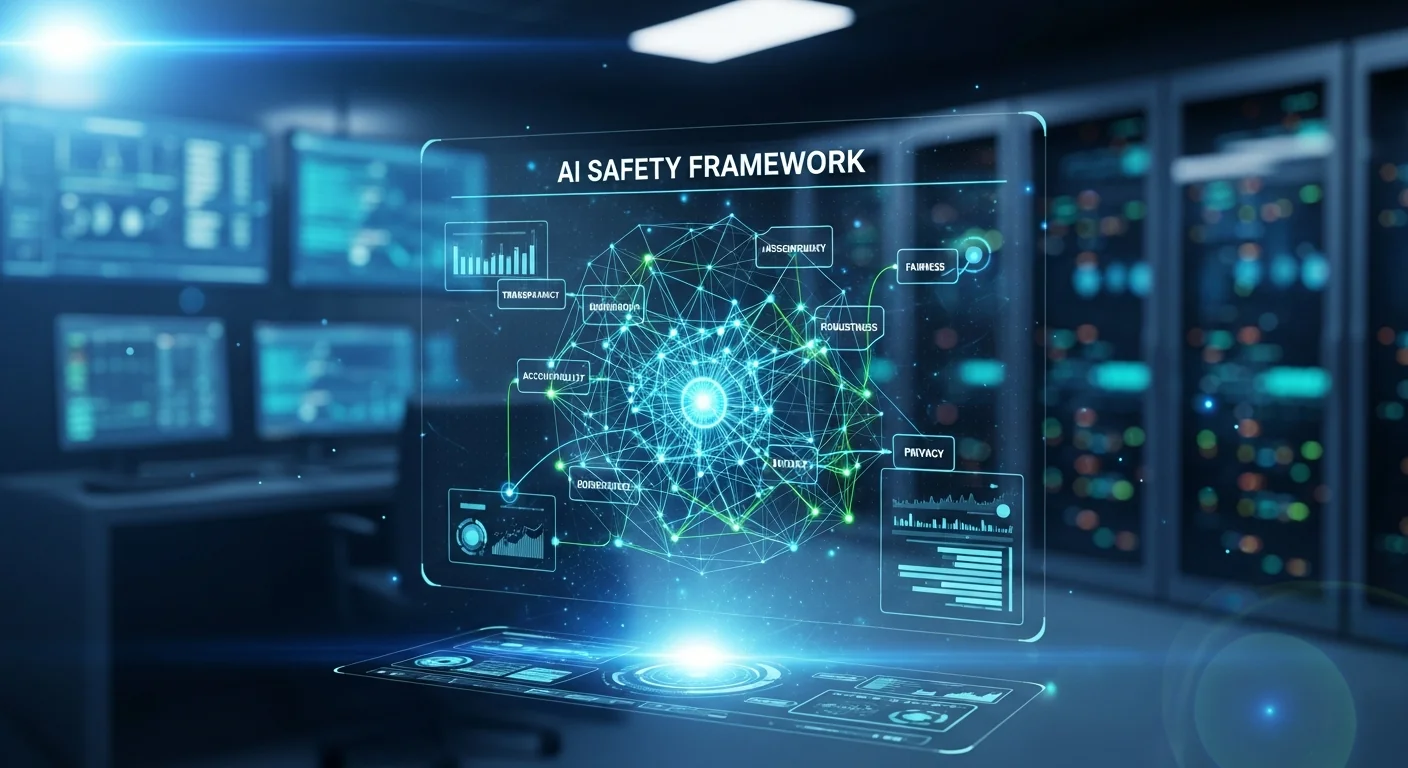
Meaningful solutions require immediate, decisive action. This means rolling out robust detection systems for misuse, hardening software against inevitable hacks and data leaks, and embedding clear accountability within governance frameworks. Companies must also ramp up ethics training to cultivate sharper risk instincts among their developers. Indeed, a growing chorus of experts is now calling for a more drastic measure: throttling development entirely until our ethical and safety frameworks can catch up.
Artificial intelligence holds immense promise, but its potential for harm is just as profound. For any chance at a safe deployment, our safety nets, governance models, and ethical standards must evolve at the same blistering pace as the technology itself. Global standards, transparent system visibility, and constant risk vigilance are not just best practices—they are now absolute imperatives.
[References & Sources]
- aninews.in
- varindia.com
- arxiv.org
참고문헌
