
The Strait of Hormuz, the jugular vein of the global energy market, is on the verge of being severed. With Middle East tensions boiling over, the potential closure of this chokepoint—through which nearly 20% of the world’s oil flows—has sent crude prices spiraling into uncharted territory and threatens to trigger a worldwide energy crisis.
The standoff is dangerously simple. President Trump has delivered an ultimatum demanding Iran reopen the strait or face devastating strikes on its power grid. Tehran’s response has been equally blunt: any attack will be met with retaliatory strikes on U.S. and Israeli energy infrastructure. This has created a perilous stalemate that could easily escalate into a full-blown regional war.
The Chokepoint and Its Vulnerabilities
The sheer volume of energy transiting the Strait of Hormuz is staggering. Every day, approximately 21 million barrels of oil are funneled through its narrow channel. Beyond crude, the waterway is also essential for about 20% of global liquefied natural gas (LNG) shipments. For Asia’s industrial powerhouses—particularly China, India, Japan, and South Korea—any disruption is a direct threat to their economic lifelines.
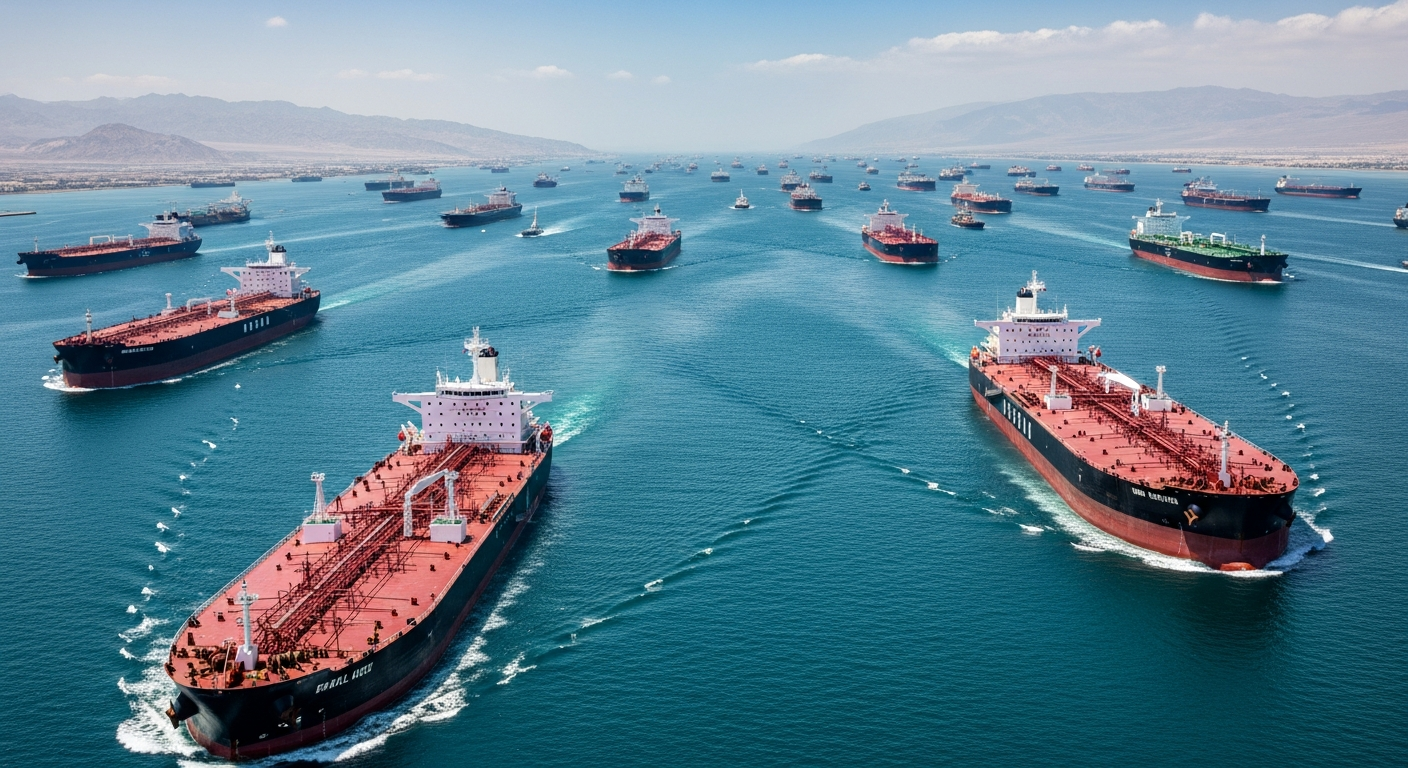
Market reaction already reflects this extreme fragility. Tanker traffic has collapsed from a weekly average of 100 transits to just seven, as most commercial vessels now lie at anchor, unwilling to risk sailing into a potential war zone. Brent crude has rocketed past $126 per barrel, while Dubai crude has hit an astonishing $166.80—levels unseen in decades. This is no mere price volatility; it is a full-blown structural supply shock.
Economic Cascades Beyond Oil
Make no mistake, this crisis bleeds far beyond the petroleum markets. LNG shortages are already threatening Asia’s industrial base, while refineries globally face critical feedstock constraints. The fallout is fracturing supply chains for everything from plastics and fertilizers to food production. Saudi Arabia’s spare capacity is irrelevant if it cannot ship through Hormuz, and strategic petroleum reserves—the traditional buffer in a crisis—offer a dangerously thin cushion of only 1-3 months before depletion becomes a serious concern.
The International Energy Agency has already labeled this the most severe energy supply disruption since the oil shocks of the 1970s. But unlike those crises, the simultaneous halt of multiple energy commodities creates a systemic, not cyclical, risk. A prolonged blockade doesn’t just mean higher energy bills; it threatens industrial paralysis across all energy-importing nations.
Diplomatic Impasse and Military Calculations
There are no easy diplomatic off-ramps here. The conflict is rooted in intractable disputes over nuclear ambitions, regional hegemony, and deep-seated sectarian tensions. The 1980s Tanker War offers a grim precedent, as that conflict festered for years. Direct military intervention is fraught with peril, as strikes on Iranian infrastructure risk not only a wider conflagration but also collateral damage to the very energy facilities the world economy relies on.
President Trump’s 48-hour deadline, coupled with Iran’s defiant threats of continued closure and retaliation, has set a collision course. The final nail in the coffin for commercial transit is the effective withdrawal of insurance coverage for any vessel entering the strait, making passage economically impossible even if it were physically safe.
Global energy security now hangs by a thread, its fate dependent on whether last-ditch diplomacy can avert a catastrophe. Without a swift resolution, the world faces a series of painful choices: industrial rationing, runaway inflation, and a fundamental reshaping of economic alliances as nations scramble to secure supply lines while others are left to absorb a punishing, and potentially crippling, shortage.
[References & Sources]
- wikipedia.org
- iea.org
- foxnews.com
참고문헌