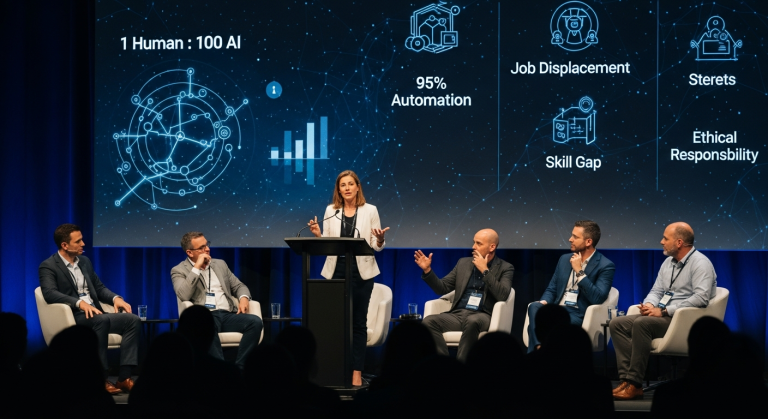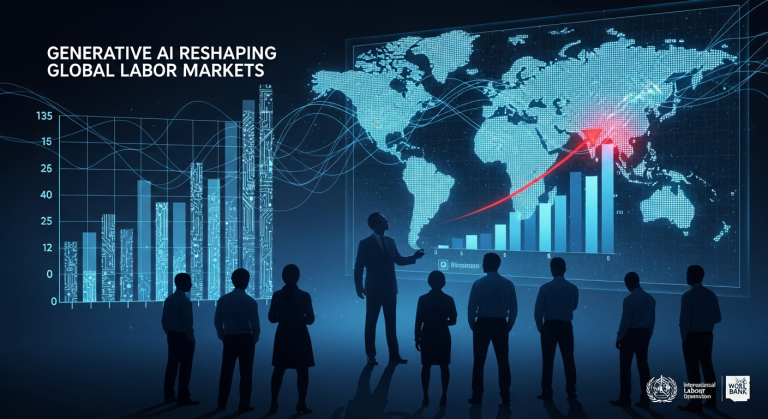


A recent study showing a 13% surge in AI hiring within banking over just six months highlights the sector’s rapid adoption. This breakneck pace has prompted the Bank of England (BOE) to plan a full-scale simulation of AI’s potential economic and financial fallout, likely weaving it into future banking stress tests amid growing fears of mass job cuts and systemic business upheaval.
Technical & Market Analysis:
While AI is already integral to financial services—powering everything from fraud detection and credit modeling to customer service chatbots—its productivity gains bring new vulnerabilities. Algorithmic trading, for instance, could dangerously amplify market swings, while buggy or poorly understood AI models threaten sudden operational breakdowns with little warning.
Strategic Insight:
The BOE’s scenario planning is a direct response to these emerging risks. The central bank is meticulously examining AI’s potential ripple effects across the financial system, modeling everything from spikes in household and corporate loan defaults to severe blows against lenders themselves. Officials are particularly focused on the risks from plunging AI stock values and are closely monitoring how the technology is being deployed. Ultimately, these stress tests will reveal how AI distorts an institution’s decision-making under extreme pressure.
Data & Evidence:
The potential economic fallout is stark. Britain’s Office for Budget Responsibility projects that AI-driven “technological displacement” could swell unemployment by 500,000, deliver zero extra growth, and add a staggering £9 billion (US$12.08 billion) to annual government borrowing. Echoing these concerns, Morgan Stanley analysts predict AI could erase over 200,000 European banking jobs by 2030. Yet, the narrative isn’t entirely negative; economists at the European Central Bank observe that heavy AI users and investors are actually hiring more as their output rises.
Actionable Conclusion:
Stress-testing AI threats is a critical first step for the Bank of England to safeguard systemic stability and navigate the pitfalls of adoption. For banks, slashing reliance on a handful of dominant AI vendors, demanding greater model transparency, and sharpening internal oversight are no longer optional. Meanwhile, governments must begin seriously considering policies like universal basic income to cushion the inevitable economic jolt from AI.
[References & Sources]
- fstech.co.uk
- binance.com
- taipeitimes.com
참고문헌