

Geopolitical Shockwave Erases $12 Trillion from Global Equities
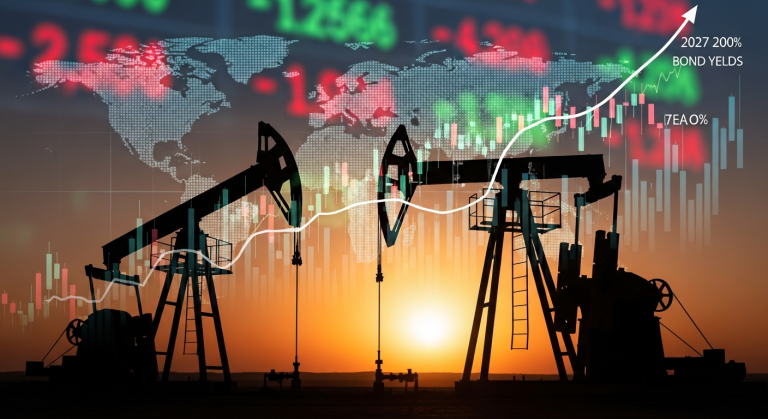
Global financial markets have suffered a staggering $12 trillion erosion in value in the month since the military conflict between the U.S. and Iran erupted. This sharp sell-off, one of the most severe since the pandemic, was triggered by surging oil prices and acute geopolitical risk. The epicenter of this turmoil is the effective closure of the Strait of Hormuz, a critical chokepoint for global energy supplies. The disruption has sent Brent crude soaring toward $110 a barrel, with prices at one point threatening the $120 mark.
A Crisis in Data: Oil, Inflation, and the Central Bank Dilemma
The fallout extends far beyond a simple oil price shock, creating a cascading crisis across the financial system. The Strait of Hormuz accounts for approximately 20% of the world’s daily oil consumption and a significant volume of its LNG exports. Its paralysis immediately weaponized energy prices, feeding directly into inflationary pressures. Analysts warn the energy spike could add as much as 0.8 percentage points to global inflation. Market fear has become palpable. The VIX volatility index spiked by over 20%, while Asian markets bore the brunt of the initial panic, with South Korea’s stock market plunging 8% and Japan’s 6% in a single session.
This multifaceted crisis has cornered the world’s central banks into a brutal dilemma. The U.S. Federal Reserve, which was widely expected to cut interest rates, now finds itself in a policy straitjacket. Resurging energy-driven inflation makes easing a dangerous proposition. The Fed’s latest dot plot now implies only a single 25-basis-point cut in 2026, with several officials seeing no cuts at all. This cautious stance contrasts sharply with hawkish undertones from other major central banks, creating a clear policy divergence that is set to fuel volatility in foreign exchange markets. The risk of a policy error—hiking rates into a slowdown or failing to contain inflation—has never been higher.
Forward Projection: What to Watch Now
The market’s trajectory now hinges on the duration of the Hormuz blockade and the policy response from central banks. Investors must prioritize monitoring energy prices and headline inflation prints. The divergence between the Fed’s cautious dovishness and the hawkish resolve of its peers will be a primary driver of asset prices moving forward. This is a moment for rigorous risk management, not aggressive bets. With geopolitics now a persistent market driver rather than a tail risk, strategic portfolio diversification is critical. Investors should consider hedging through assets like gold and inflation-linked bonds to navigate the volatility. In a market dominated by uncertainty, survival is the ultimate form of success.
References & Sources