
Gwangmyeong’s Strategic Pivot to a Sustainable Delivery Ecosystem
With the OECD forecasting a tripling of global plastic use by 2060, Gwangmyeong City is launching a decisive countermeasure. The city’s eco-delivery initiative represents a critical public-private partnership, bringing together industry giants ‘Woowa Brothers,’ ‘LG Energy Solution,’ and specialized startup ‘Itgreen’ to tackle the challenge head-on.
An Integrated Technical and Market Solution
Operating under the Ministry of Land, Infrastructure and Transport’s ‘Small and Medium-Sized Smart City Development Project,’ this program attacks both delivery waste and vehicle emissions. The model is an integrated system: ‘Woowa Brothers’ leverages its platform to drive adoption, ‘LG Energy Solution’ provides the critical battery swap infrastructure, and ‘Itgreen’ manages the logistics of reusable container collection and sanitation. This creates a closed-loop system poised to significantly curtail single-use plastic consumption.
Operational Strategy: Eliminating Core Barriers
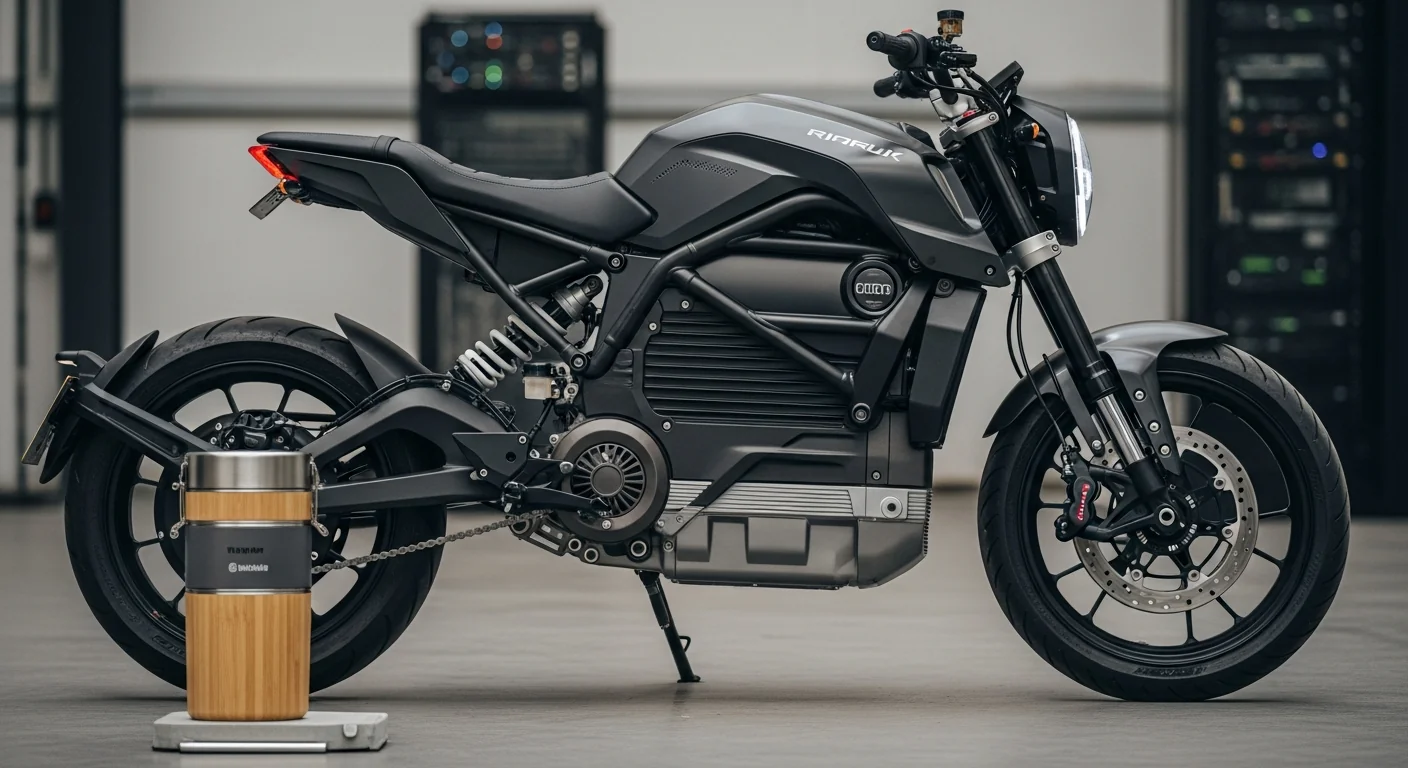
The strategy’s genius lies in its dual-pronged execution. Reusable containers are collected, professionally cleaned, and returned to restaurants, breaking the disposable cycle. Simultaneously, ten battery swap stations (BSS) deployed in high-traffic areas eliminate charging downtime—the single biggest barrier to commercial EV adoption. This allows riders to swap batteries in seconds, directly paving the way for a surge in electric motorcycle use and a material reduction in emissions.
The Data-Driven Case for Intervention
The numbers paint a stark picture. Korea Consumer Agency data reveals that a single food delivery generates 18.3 plastic containers, amounting to 10.8kg of waste per user annually. The reusable container system is a direct response to this crisis. By building the necessary EV infrastructure now, Gwangmyeong is also aggressively pulling forward the national goal of electrifying over 60% of new delivery motorcycles by 2035.
A Blueprint for National Resilience
This initiative is not greenwashing; it is a foundational blueprint for urban resilience. Its ultimate success hinges on a careful calibration of rider incentives, a dense and reliable BSS network, seamless platform integration, and broad resident support. If executed correctly, the Gwangmyeong model provides a powerful, scalable template that could significantly accelerate Korea’s path to carbon neutrality.
[References & Sources]
- kookje.co.kr
- gvalleytimes.com
- daum.net
참고문헌
