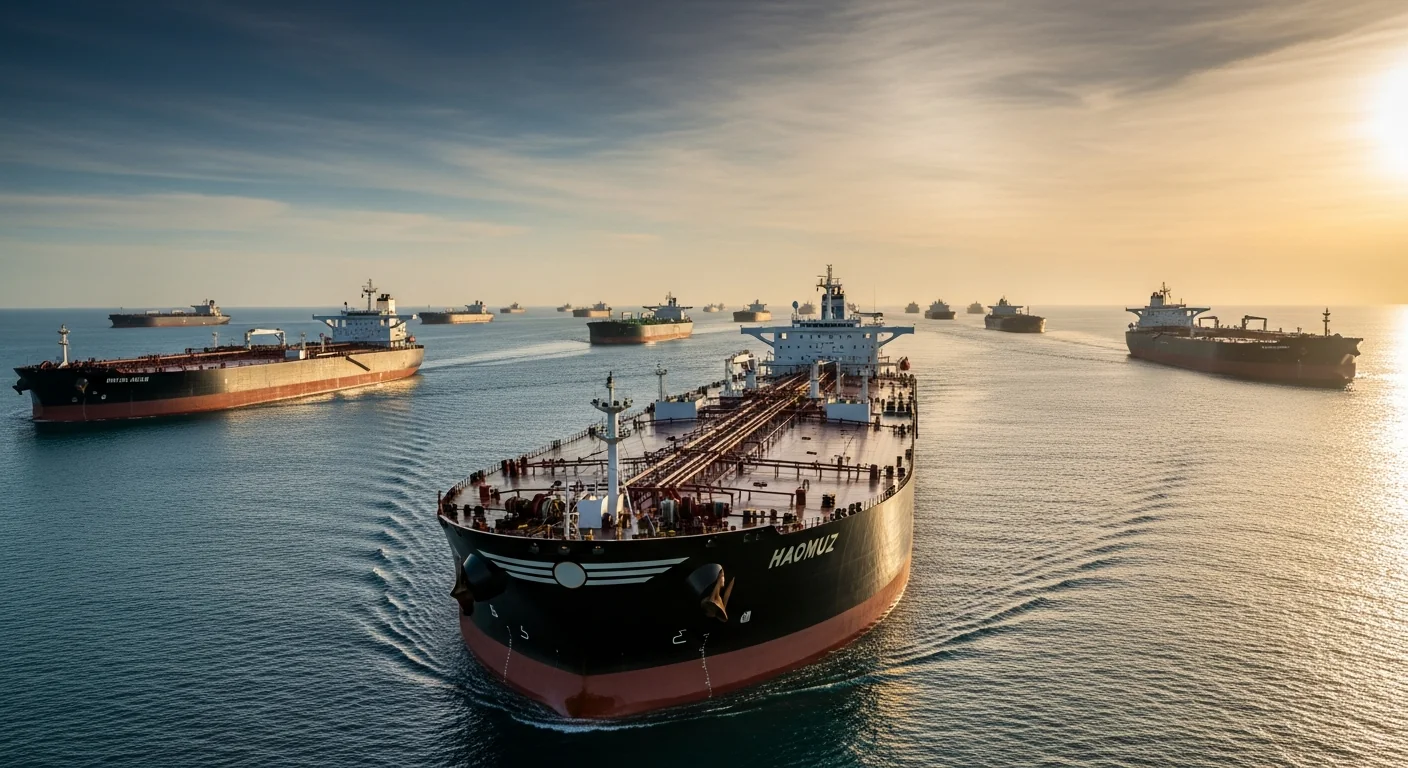

Fears of a Hormuz Strait closure are materializing following US and Israeli airstrikes on Iran. A single warning from Iran’s Revolutionary Guard has already halted vessel traffic. With **20%** of the world’s seaborne oil passing through this chokepoint daily, the global economy is now bracing for severe aftershocks.
Market Technicals
Brent crude has already surged past $100 a barrel, and a prolonged closure of the strait could send prices soaring to the $120-$150 range. The $80 support level is a distant memory. Maritime freight rates are climbing steeply, and insurance premiums have hit record highs. Kpler aptly describes the situation as a ‘de facto blockade,’ as commercial operators, major refiners, and insurers are all pulling out, creating the effect of a full-scale shutdown.
Strategic Insight
With geopolitical risk at a fever pitch, BCA Research is calling for a drastic reduction in risk assets. Should the worst-case scenario—a collapse of the Iranian regime—materialize, logistics through the Strait of Hormuz would be paralyzed for months, if not years. The clear winners in this environment are the oil tanker companies. Protecting a portfolio from this energy price volatility demands decisive action: sell off tech and select international stocks.
Key Data
A staggering **20 million barrels** of crude oil transit the Strait of Hormuz daily, a volume that accounts for **20% of the world’s total seaborne oil trade**. A prolonged blockade would hit Asia the hardest, shaking the very foundations of its energy security. China and India, with their heavy reliance on Middle Eastern imports, are already grappling with the double-edged sword of soaring oil prices and immense inflationary pressure.
Investment Thesis
The closure of the Hormuz Strait is more than just a catalyst for an oil price spike; it’s a detonator that could shatter global supply chains and entrench stubborn inflation. The time to act is now. Investors must slash their exposure to risk assets, aggressively rebalance portfolios toward energy stocks, and tighten risk management protocols. The geopolitical clock is ticking. Nimble positioning is the only path to survival.
[References]
- wikipedia.org
- theguardian.com
- hindustantimes.com
References & Sources
