
A dual shock of soaring oil prices and a contracting U.S. job market is stoking fears of stagflation, a toxic economic cocktail not seen since the 1970s. On March 7, international oil prices shot past $90 a barrel just as February’s non-farm payrolls revealed a stunning 92,000 job loss, completely reversing expectations of a 50,000 gain. This confluence of events forces a grim reality upon policymakers and investors, creating a deeply uncomfortable economic backdrop.
Strait of Hormuz Closure and Soaring Oil Prices
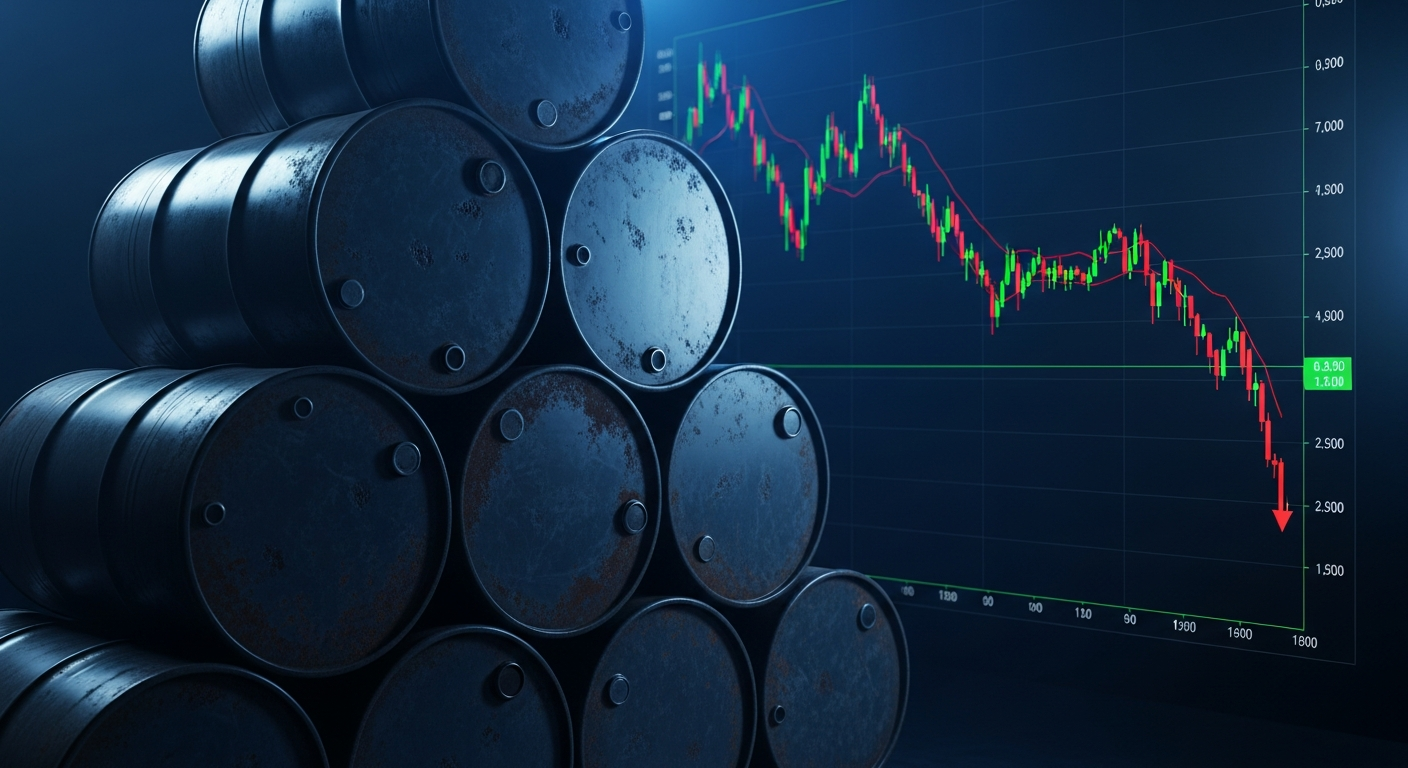
At the heart of the energy shock are escalating tensions in the Strait of Hormuz, the critical chokepoint for roughly 20% of the world’s seaborne crude. With insurers pulling coverage and attack risks climbing, tanker operators are now avoiding the strait, creating a de facto production cut for major suppliers like Iraq, Kuwait, the UAE, and Saudi Arabia. The potential fallout is severe. Wood Mackenzie forecasts prices could surge past $100 per barrel with extended disruption, and Goldman Sachs estimates a mere one-month closure would tack on $15. As Brent crude hit $92.69 and WTI reached $90.90 on March 6, some traders are already pricing in nightmare scenarios of $150-$200 oil if the blockade drags on for months.
Shock in the U.S. Job Market
Compounding the supply-side shock is a sharp deterioration in the U.S. labor market. February’s jobs report was a bombshell, showing a loss of 92,000 positions against a consensus forecast for a 50,000 gain. The unemployment rate subsequently ticked up to 4.4%. More troubling still, hourly wages climbed 0.4%, a sticky combination that directly fuels inflationary pressures even as growth falters. The pain is widespread, hitting manufacturing, construction, and even healthcare, which points to broad economic strain, not just weakness in a few isolated sectors.
Stagflation Risks and the Fed’s Dilemma
This toxic blend of stagnant growth and persistent inflation puts the Federal Reserve in an impossible position. Central bankers are now staring down a classic stagflationary dilemma with no easy answers. Raising interest rates to combat inflation would almost certainly guarantee a deeper recession, yet cutting rates to stimulate the economy would pour fuel on the inflationary fire. For now, markets are betting the Fed holds rates steady at its March meeting, but the stagflation narrative is already beginning to reshape positioning in the futures market.
Investment Strategies and Conclusion
For investors, the playbook must now pivot toward defensive positioning. Commodities stand out as a natural hedge against supply-driven price shocks. In fixed income, real estate and inflation-linked bonds offer a crucial alternative to traditional securities. Equities exposure should favor sectors that can weather a slowdown in demand, such as consumer staples, healthcare, and utilities, which are prized for their steady cash flow when economic growth vanishes. The probability of a full-blown stagflationary cycle rises materially with every day the Strait of Hormuz remains a flashpoint and the labor market remains weak.
[References & Sources]
- g-enews.com
- mindlenews.com
- kita.net
참고문헌