
Strait of Hormuz Reopens: Global Oil Markets Enter a New Phase
Global crude oil markets are experiencing a significant shift. The official reopening of the Strait of Hormuz to commercial oil tankers, following a diplomatic breakthrough between the United States and Iran, initially triggered a sustained contraction in international crude oil prices. Brent crude, which had soared past $120 per barrel during the recent conflict, tumbled sharply to the $79-82 range. However, a minor rebound today, pushing prices back towards $77, reflects lingering uncertainty due to delayed follow-up negotiations.
Strategic Insight: Geopolitics, Supply Dynamics, and Market Implications
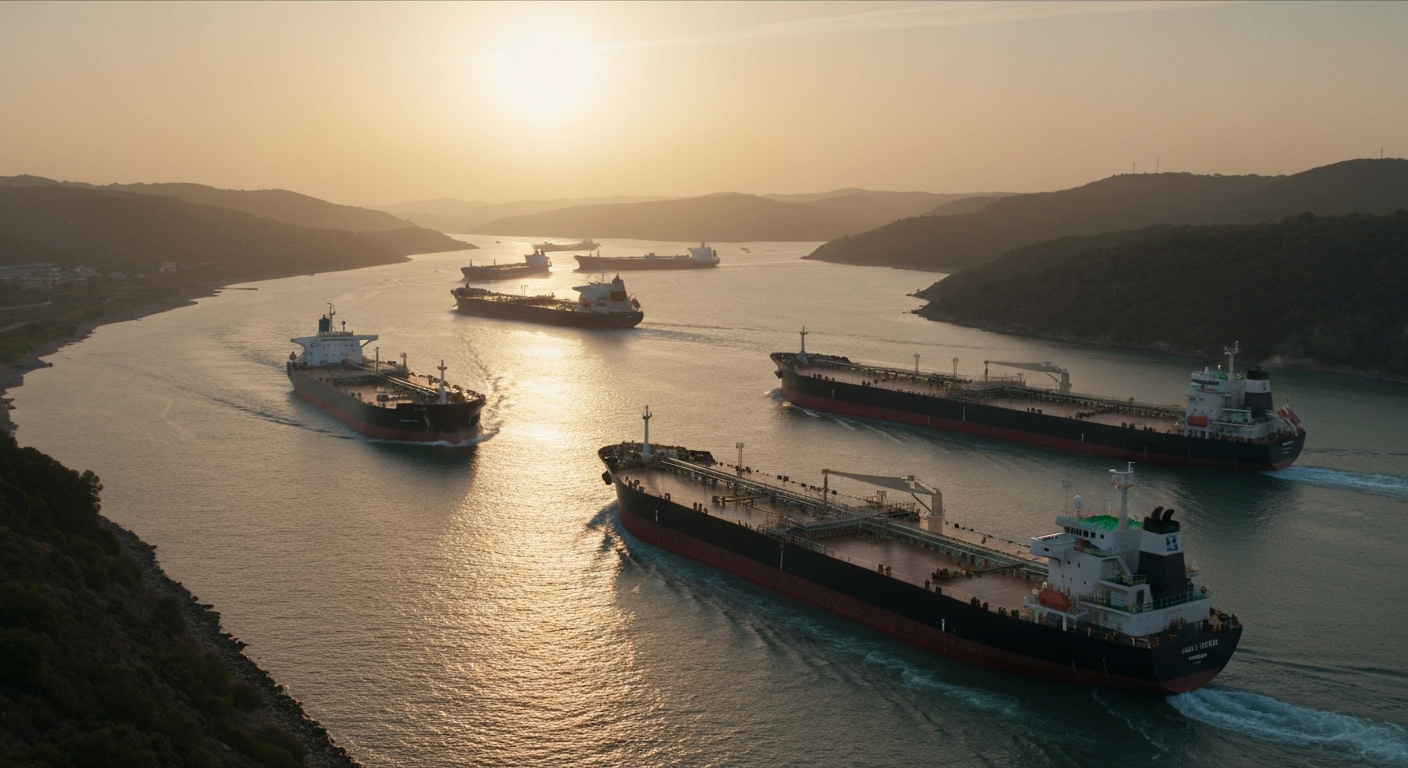
The Strait of Hormuz is unequivocally the world’s most critical oil chokepoint, facilitating the transit of approximately 20-25% of global petroleum liquids consumption, equating to over 20 million barrels per day (b/d) in recent years. Its effective closure during the 2026 Iran war, spurred by a U.S. blockade and regional hostilities, created the largest supply disruption in history. This disruption led to a substantial drop in oil production from Gulf countries, with some producers like Kuwait experiencing severe declines due to limited alternative export routes.
The interim Memorandum of Understanding (MoU) signed on June 17, 2026, by the U.S. and Iran, outlining an immediate termination of military operations and a framework for sanctions relief, profoundly impacted market sentiment. While the immediate price drop was pronounced, the path to full market normalization remains complex. The U.S. Energy Information Administration (EIA) projects a gradual resumption of traffic through the strait, but full pre-conflict levels may not be achieved until early 2027. This extended timeline is crucial, as damaged infrastructure requires repair and idled production needs to be restarted. Iran’s own oil sector faces significant structural, technical, and financial hurdles beyond sanctions relief, including aging infrastructure and decades of underinvestment, which will constrain its ability to rapidly ramp up exports.
Furthermore, the competitive landscape is evolving. Global oil demand is forecast to contract by 1.1 million b/d in 2026 due to the lingering effects of geopolitical disruption, though a rebound of 2 million b/d is expected in 2027. Nations that tapped into strategic reserves to mitigate price pressures during the closure, such as the United States, which saw its Strategic Petroleum Reserve (SPR) fall to multi-decade lows, will now seek to replenish these stocks. This sustained demand for inventory rebuilding could provide a floor for oil prices, even as supply gradually increases. OPEC+ production, which dropped to its lowest levels since 2000 during the crisis, will also be a key factor in balancing the market. The ongoing negotiations between the U.S. and Iran, particularly regarding the long-term navigability of the strait and the scope of sanctions relief, introduce a layer of geopolitical risk that contributes to current market volatility.
Actionable Conclusion: Monitor Beyond the Headline
The reopening of the Strait of Hormuz is a critical de-escalation, but investors and industry players must look beyond the initial price reaction. Focus should remain on the pace of physical supply recovery, the extent of Iran’s actual production capabilities post-sanctions, and the strategic decisions by major oil consumers to replenish their reserves. The ongoing diplomatic dialogue, particularly regarding a comprehensive U.S.-Iran agreement, will dictate the long-term stability and supply outlook. Companies should prioritize supply chain resilience and diversification, recognizing that while energy security risks have eased, the underlying geopolitical tensions and structural challenges in the global oil market persist.
References & Sources
