

IEA Executive Director Fatih Birol’s warning was stark and unequivocal. He labeled the Middle East war a ‘major, major threat’ to the global economy, assessing its potential impact as even more severe than the 1970s oil shocks and the Russia-Ukraine gas crisis combined.
Key Analysis:
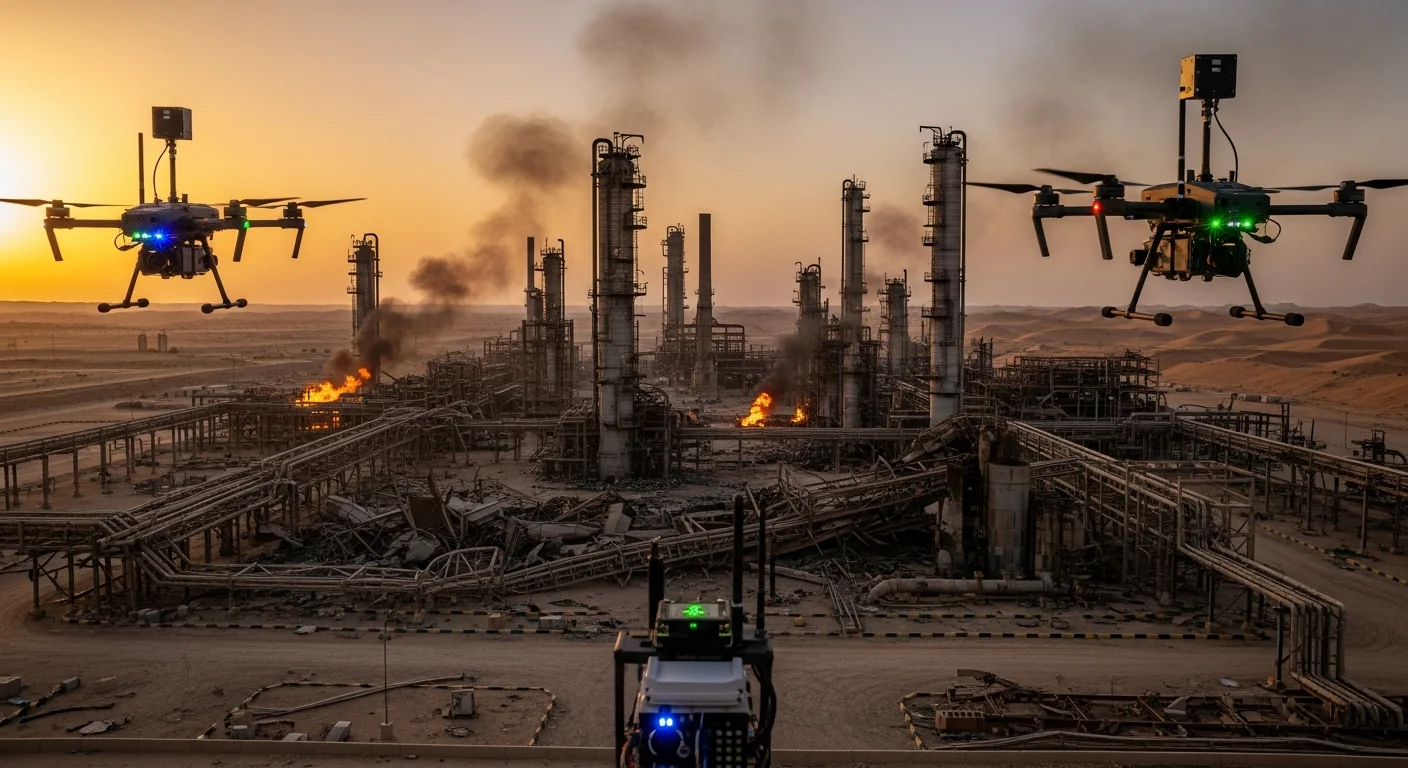
The physical damage is already staggering, with over 40 energy assets across nine Middle East countries—from oil and gas fields to refineries and pipelines—now severely compromised.
Compounding the crisis, Iran’s blockade of the Strait of Hormuz is choking off roughly 20% of global oil flows, sending diesel and jet fuel prices into the stratosphere.
To make matters worse, global LNG supply has plummeted by 20% after strikes knocked out Qatar’s critical Ras Laffan facility.
Market reaction has been swift and brutal: Brent crude futures have surged 55% since the conflict began, while the Dutch TTF natural gas benchmark has climbed an astonishing 85%.
These soaring costs present a clear and present danger, threatening to fuel runaway inflation and stall economic growth, with Asia’s import-dependent economies positioned for the hardest fall.
Strategic Insight:
This conflict serves as a brutal reminder of how quickly geopolitical shocks can shatter fragile energy security. For corporations, diversifying suppliers and accelerating the shift to renewables is no longer a strategic option but a core survival mandate. Effective risk management has just become non-negotiable.
Actionable Conclusion:
The path forward demands immediate action. Energy firms must urgently audit their supply chains and establish robust backup plans. Governments need to elevate energy security to a top-tier policy priority and foster global cooperation to ensure stability. For investors, the message is clear: brace for extreme volatility and rebalance portfolios with urgency.
[References & Sources]
- pbs.org
- oilandgasmiddleeast.com
- dailytimes.com.pk
참고문헌
